Why Reliable Audio Solutions Are Crucial for Event Professionals in Australia

Event Audio Essentials
Key Components of a Reliable Setup
As someone deeply involved in logistics, I understand the importance of setting up an event with gear that can be depended upon. When you're organising a business meeting at South Bank or at a major venue like the Brisbane Convention and Exhibition Centre, it's crucial to focus on key components that form the backbone of a successful audio setup. First, consider using a motorised projector screen for presentations. This facilitates seamless transitions during speakers’ presentations, making it easier to maintain the audience's engagement.
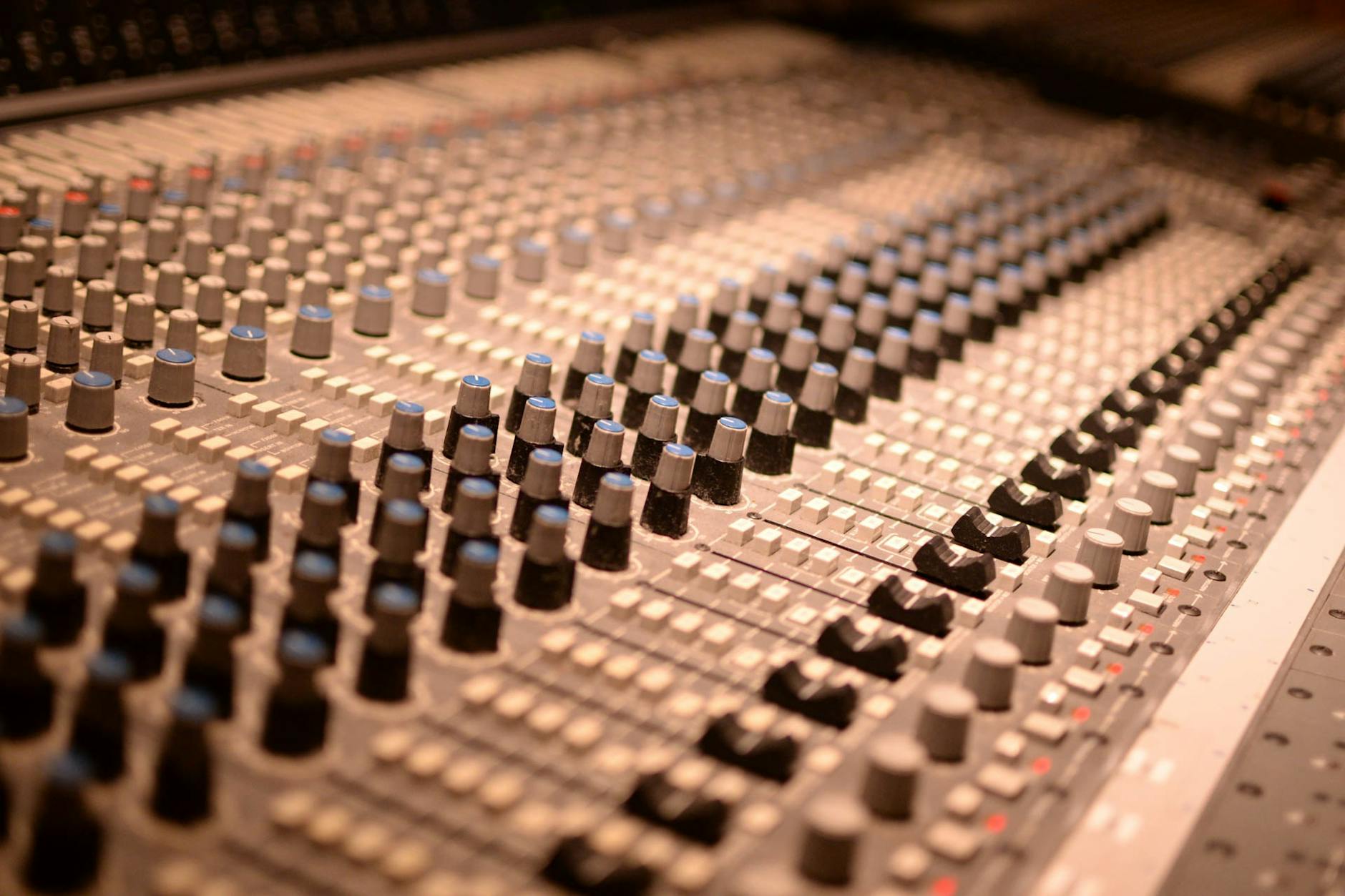
A high-quality mixing console is important as well. It allows you to blend different audio inputs effectively, ensuring each participant is heard clearly. Microphones with excellent feedback rejection are indispensable, particularly when hosting events requiring multiple speakers.
Additionally, don't overlook the importance of speakers strategically positioned to cover the venue uniformly. This can be a game-changer in larger spaces. Incorporating digital signal processing (DSP) tools can also optimise sound output by adjusting equalisation and delay settings, providing clarity throughout the proceedings.
These components, when correctly wired and tested beforehand, can significantly enhance the audio experience, preventing technical hitches during networking events at vibrant locations like the Howard Smith Wharves. Each piece of equipment plays a crucial role in ensuring the smooth flow of any event across Brisbane's bustling venues.
Australian Audio Challenges
Regional Connectivity Issues
In Australia's vast and diverse landscape, staying connected can be a challenge, especially during events at large venues like the Brisbane Convention and Exhibition Centre. Having organised meetings at South Bank and participated in networking events at the Howard Smith Wharves, I'm particularly aware of these hurdles. A pivotal solution is utilising mesh radios, which can greatly improve communication reliability even in remote or crowded areas. These devices create a network that doesn't rely on traditional infrastructure, making them excellent for event professionals needing stable and extended connectivity.
For someone with advanced knowledge, such as a 28-year-old podcast producer from Melbourne, understanding the technical intricacies of mesh radio systems can be a game-changer. Alex, with his ISTP expertise, would appreciate how mesh radios enhance communication quality, offering an edge during live-event recordings or remote setups. The self-healing nature of these networks ensures seamless communication despite environmental challenges, a feature Alex might find invaluable.
In practice, Alex might consider testing these systems at local meetups or through affordable trials to assess their potential impact on his productions. Keeping abreast of developments in this area could also provide Alex with the confidence needed to invest in such innovative technology, ensuring his work remains at the forefront of audio production standards.
Choosing the Right Equipment
When evaluating the latest audio technologies, the abundant options available can sometimes feel overwhelming. It's crucial to focus on devices that offer a balance between cutting-edge features and user-friendliness. This ensures you are not bogged down in technicalities during a critical moment at the Brisbane Convention and Exhibition Centre. Technologies like noise-cancelling capabilities and wireless connectivity can significantly impact sound quality and ease of use for events.
Key Features to Consider
Before investing, prioritize the essential features that align with your specific needs. Look for the following:
- Sound Quality: Ensure the device offers a rich and clear professional microphone quality.
- Durability: With constant use and transport, the equipment should withstand wear and tear, especially if frequently used in diverse settings.
- User Reviews: Check forums and professional reviews to gauge reliability.
Testing and Feedback
Testing the equipment in a venue similar to your intended use, like the spacious South Bank meeting rooms, can provide insight into acoustics and potential challenges. Receiving feedback from peers who have used similar equipment can also guide your purchasing decision. This approach ensures you’re equipped with tools that enhance the audience's experience and meet professional standards.
Best Practices for Event Professionals
Setup and Calibration Tips
When setting up audio equipment for an event, getting the right calibration can make all the difference. To begin, ensure that your recording microphone is positioned correctly. Place it at an optimal height and angle to capture clear sound without unwanted interference. Use a stand to adjust the microphone rather than handheld options, allowing for steadier capture during dynamic movements typical at bustling venues like the Brisbane Convention and Exhibition Centre.
Before the event begins, conduct a thorough sound check. This involves playing audio through each channel to verify that all speakers, monitors, and microphones are functioning at desired levels. It's crucial to identify any feedback or imbalance issues well in advance. Adjust your mixer settings accordingly to maintain consistent audio quality.
Troubleshooting Common Issues
Common audio problems often arise unexpectedly. A quick response is key to maintaining sound quality throughout an event. If encountering feedback, check for microphone and speaker placement first. Often, repositioning components can eliminate unwelcome noise.
For issues with sound clarity, examining cable connections is essential. Ensure that all connections are secure, and replace any faulty cables immediately. Having spare cables and adapters on hand is vital for addressing these issues without delay.
Enhancing Live-Streaming Audio
The rise of virtual events underscores the importance of quality audio in live streaming. To enhance sound for online audiences, invest in a high-quality interface that supports digital audio conversion effectively. Utilising real-time monitoring can help keep an eye on audio levels, ensuring broadcasts from networking events at Howard Smith Wharves come through clearly to an online audience.
FAQs
Addressing Common Concerns
Living in a vibrant city like Brisbane, where events like networking sessions at the Howard Smith Wharves are routine, we often face inquiries from event professionals regarding sound logistics. One common concern is ensuring consistent audio quality at business meetings in South Bank, where acoustics can vary. It's vital to perform venue-specific sound checks and adjust equipment accordingly. By proactively engaging with your audio system, you can better manage the acoustics influenced by the unique architectural aspects of Melbourne venues compared to Brisbane's landscape.
Equipment Maintenance Queries
Maintaining your audio equipment is crucial, especially given the fluctuating Brisbane climate that can affect sensitive devices. Regular maintenance and checks are non-negotiable. For instance, moisture from Queensland's humidity can impact equipment performance. Cleaning connections and protecting devices with moisture-resistant covers during storage or events can aid longevity. Moreover, scheduling periodic professional tune-ups can prevent potential problems, which is particularly beneficial for event professionals who manage large-scale audio setups regularly. Keep an inventory log to track maintenance schedules and equipment states to ensure nothing falls through the cracks.
Tips for First-Time Users
For those just dipping their toes into the event scene at locales like the Brisbane Convention and Exhibition Centre, the world of audio setups might appear daunting. Start by familiarising yourself with basic terms and equipment types. If you're leveraging cutting-edge technologies, participate in workshops or webinars to stay informed. Leveraging portable or all-in-one solutions can simplify the setup process tremendously. And remember, practice makes perfect—consider doing a few dry runs to boost your confidence. Whether you're managing a live-streamed event or a local meet-up, understanding the fundamentals will empower you to execute your vision effectively.